From Floor Traffic to Real Leads: Trade Show Marketing Strategies Using Portable and Virtual Exhibits

Trade shows remain one of the most productive mediums of creating meaningful face-to-face communication between brands and their target audiences. Nevertheless, those who are bringing quality to the current competitive events arena need much more than a well-decorated booth. Innovative trade show tactics require a thoughtful combination of offline and online interactions, along with scheduled follow-ups, that work together to convert incidental foot traffic into measurable business results. The advent of mobile displays and virtual trade show exhibits has increased the level of audience engagement, as a brand would be able to interact with the prospects before the commencement of the event, during live interaction, and even after the show. Flexible booth designs, built-in interactions, and data-driven planning are currently of paramount importance to enhance trade show performance and the overall ROI. Portable and virtual display solutions, when well implemented, do not just create attention at the moment; they help convert the interest into a qualified lead and create and build lasting relationships that go well beyond the event floor, making the value not a one-time event.
Five Strategies to Turn Trade Show Traffic Into High-Quality Leads
1. Strategic Booth Selection and Smart Space Planning
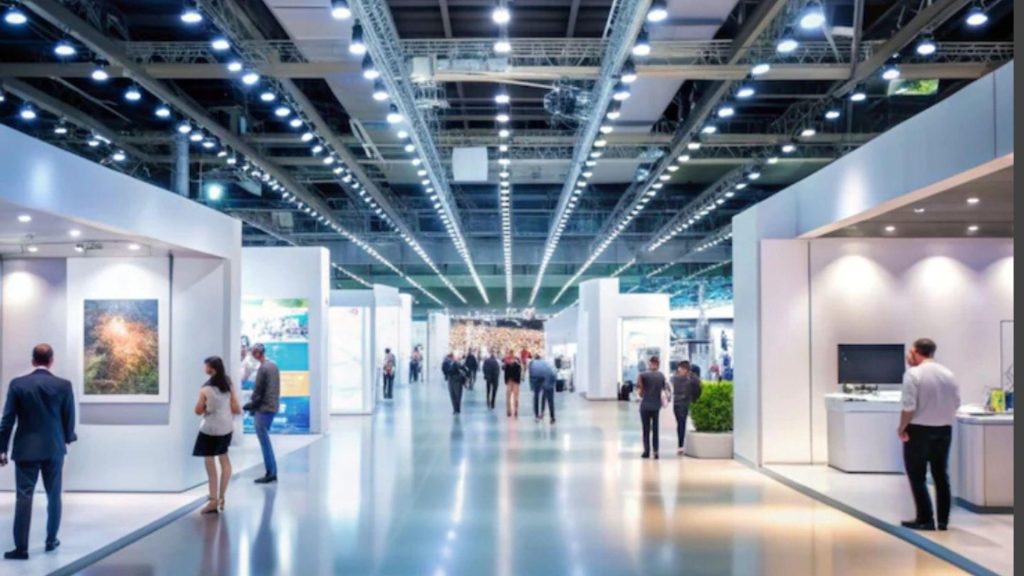
The success of the lead generation will be predetermined by the selection of the appropriate exhibit format. The trade show rental booths are flexible, economical, and scalable, making them an ideal option when the brand is attending several events or entering a new market. Portable booths can be set up quickly, reconfigured in a modular way, and branded to fit any venue without the need to sign long-term storage and maintenance contracts.
It is also important to have smart space planning. There are open gateways, open spaces, and easy navigation, so visitors will feel like going in rather than passing by. Especially designated areas to demonstrate products, talk, and interact online will help cut the congestion and enhance the quality of interaction. At eye level, messaging and intelligent lighting design help draw attention to critical value propositions, ensuring traffic in the booth is planned and meaningful.
2. Blending Physical and Virtual Engagement Seamlessly
Hybrid trade show strategies combine the outreach beyond the convention floor. Virtual elements enable brands to connect with prospects that might not be physically present, as well as strengthen interactions with those visiting the premises. Physical booths are linked to the online experience through QR codes, touchscreen kiosks, and live-streamed demonstrations, creating continuity between the two.
Virtual tours, downloadable materials, and interactive product demonstrations allow more comprehensive exploration with no time limitation. Trend data (such as visitor interests and engagement patterns) is also gathered using these tools. By synchronizing physical displays with virtual extensions, brands maintain engagement momentum even after the event is over, and short-term interactions are converted into long-term dialogues.
3. Designing for Interaction, Not Just Aesthetics
Booths that appeal to the eye are attractive, whereas experience-driven leads are more valuable. Participatory exhibits keep visitors longer and encourage them to share information more freely. Product demonstrations, practical displays, and live presentations do not grant observation but encourage communication.
Natural opportunities to qualify prospects are also available in interactive elements. Guided demos will show what is necessary, and interactive screens will allow a visitor to choose what they want. These interaction areas help sales teams focus on promising prospects rather than generic dialogue. A booth focused on communication rather than design will make it an engine of lead generation rather than a showcase.
4. Empowering Staff With Clear Lead-Capture Strategies
The best-designed booth is based on proper human interaction. Employee training has a direct impact on lead quality and conversion rates. The teams also have clear objectives, consistent communication, and organized interaction systems that guide dialogues toward significant results.
Digital lead-capture devices simplify data collection and minimize friction. Paper forms are being replaced by tablets, badge scanners, and mobile apps that ensure proper information collection. The clear qualification requirements allow staff to focus on serious prospects while ensuring that all visitors find a welcoming environment. When employees know how to turn their talk into a capture of contact, booth traffic becomes viable sales leads.
5. Post-Event Follow-Up That Sustains Momentum
Lead generation is not over once the trade show floor closes. Follow-up is timely and individualized, which is a determining factor in the transfer of interest into business outcomes. Targeted communication by segmenting leads by level of engagement, product interest, or outcomes of conversations enables relevant, non-generic messaging.
Virtual assets are important in nurturing events afterward. The use of recorded demos, virtual tours of the booths, and downloadable materials enhances the messages and keeps the brand at the forefront. The automated follow-ups with custom outreach messages will be a balance between speed and integrity. The high level of post-event interaction keeps the investment in the trade shows, enabling them to provide value even after the event. This sustained engagement helps transform initial interest into measurable long-term opportunities.
Common Trade Show Mistakes That Quietly Kill Your Leads
You show up. The booth looks sharp, and the traffic flows. Feels successful, right? Not always. One mistake most brands make in trade show marketing? Collecting contacts without qualifying them. You scan badges all day, but later realize half of them had zero buying intent. That’s not lead generation. That’s data collection.
Then there’s the “no next step” problem. You have a great conversation, and it just ends. No demo booked. No follow-up scheduled. No clear action. If you don’t guide people, they move on. Simple. And the biggest killer? Slow follow-up. You wait a week. Maybe longer. By then, your prospect has visited 20 booths. Yours blends into the noise.
Trade show leads are expensive. So why treat them casually? Avoid these mistakes, and suddenly your booth traffic feels different. More intentional. More qualified. More profitable.
Create a Lead Qualification System Before the Event Starts
If you want real trade show lead generation results, you need structure. Not vibes. You should never treat every visitor the same. Some are ready to buy. Others are just browsing. And you need to know the difference, fast. Break it down clearly:
Hot Leads: They talk budget. They ask about timelines. They mention decision-makers. These people matter now. You follow up within 24 to 48 hours. No delay.
Warm Leads: Interested. Curious. Comparing vendors. They’re not ready today, but they might be soon. You nurture them with case studies, demos, and useful content.
Cold Leads: General interest. No urgency. Maybe long-term potential. You don’t ignore them, but you don’t prioritize them either. When your team asks better questions, “What’s your timeline?” “Who makes the final decision?” You filter naturally. Conversations get sharper. Follow-up gets smarter. Otherwise, you’re just stacking spreadsheets. Not building a pipeline.
Follow-Up Fast or Lose Momentum
Here’s the uncomfortable truth: the trade show floor is loud. Distracting. Competitive. If you don’t follow up quickly, someone else will. You should contact hot leads within 48 hours. Mention your exact booth conversation. Reference their pain point. Make it personal. That’s how you stand out. Warm leads? Reach out within three to five days. Send value. Not fluff. A demo link. A comparison sheet. Something useful.
Cold leads enter your nurture system. Slow. Strategic. Consistent. Speed builds credibility. Personalization builds trust. And structured follow-up builds revenue. Trade show marketing is not about showing up. It’s about what you do after. Foot traffic feels exciting. But disciplined follow-up? That’s what turns conversations into contracts.
End Point
To turn trade show traffic into meaningful, qualified leads, one needs more than just physical presence; it needs a clear strategy, seamless integration, and disciplined follow-through. It is no longer enough to be at an event in an environment where there is limited attention and high competition. The mobile booth solutions are flexible, consistently branded, and adaptable to various venues, ensuring that product messages remain consistent, and they can be used in many formats.
Meanwhile, virtual extensions increase the coverage, enhance interaction, and enable the brands to keep the conversation going after the show floor. Careful exhibit planning, well-prepared and trained employees, engaging experiences, and post-event follow-ups work together to help short-term contacts turn into valuable business relationships. Trade shows are transformed as physical and online exhibits are matched to established lead-generation goals so that trade shows no longer form part of isolated marketing efforts, but instead serve as strategic platforms, which can provide long-term, quantifiable influence instead of temporary visibility.
Read Also:
tags
Freddy Wosten
Freddy Wosten is a dynamic author. As a Blogging enthusiast and professional for the past 10+ years. And he is loving every bit of it. He lives in New York City. His niches are Business, Lifestyle, Tech, Real Estate, Finance, Travel, Social Media, Entertainment, and Multi-subjects. He is currently on Content Operations Senior Executive | to TechRab.com & MostValuedBusiness.com.