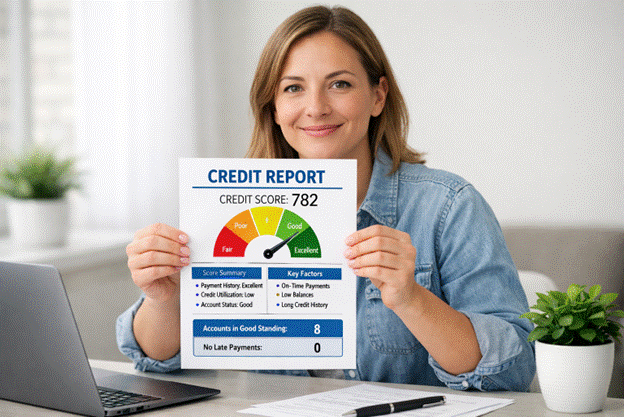
Building Credit After Bankruptcy: Steps Toward a Fresh Financial Start

So you’ve been through bankruptcy. Heavy, right? But also a relief. A reset button, in a way. Now comes the part most people don’t talk about enough. Rebuilding. Slowly. Step by step. No shortcuts. Here’s the truth, you can rebuild your credit after bankruptcy. People do it all the time. Within a year, many already start seeing movement. Not magic. Not overnight. But real progress. What matters now isn’t the past filing. It’s what you do next. The habits you build, the small decisions you repeat. This guide walks you through that process.
Understanding Bankruptcy and Its Impact on Credit
Bankruptcy comes with its own ups and downs. For instance, bankruptcy clears the debt burden that you carry. But at the same time, it creates a huge negative impact on your credit score. And yeah, you feel it almost immediately. If you want detailed guidance on how to approach the credit rebuilding process, Credit One Bank provides a comprehensive resource explaining how to start rebuilding your credit.
When your credit score struggles to pass over 500, lenders get second thoughts. Thus, approvals become harder and more frustrating. But here’s the part people don’t always hear clearly, it’s not permanent. Not even close. Bankruptcy stays on your credit report for several years, depending on the type you filed. However, its impact starts fading much earlier. In fact, many people begin seeing small improvements within the first 12 months, especially when they start building better financial habits right away. So while the record remains, its weight slowly reduces over time.
Think of your credit like a timeline. Bankruptcy is one major event on that timeline, but it doesn’t define the entire story. What you do after that event starts carrying more importance. Lenders notice patterns. They look for consistency. Are you paying on time now? Are you managing new credit responsibly? That’s what begins to shift their perception.
Also, bankruptcy actually resets some things in your favor. Your debt-to-income situation improves. You’re no longer juggling multiple overdue accounts. So strangely, you’re starting from a cleaner base, even if the score doesn’t reflect it immediately.
Now, expectations matter here. You won’t jump from poor to excellent overnight. That’s not how this works. Progress is gradual. A few points here. A steady rise there. And then, over months, it compounds.
Another important angle is your credit report itself. After bankruptcy, errors can show up. Discharged debts might still appear as unpaid. Some accounts may not update correctly. If you don’t check, these mistakes can quietly hold you back. So you stay aware. You track changes. You correct what’s wrong.
Monitoring Your Credit Reports
This is where your comeback actually begins. You need to know what’s on your credit report. Sounds obvious, but many people skip this step. After bankruptcy, errors are common. Debts that should show as discharged might still appear unpaid. Accounts might be marked incorrectly. And those errors? They can slow you down. So check your reports regularly.
You can request free copies from the three major bureaus, Experian, Equifax, and TransUnion, at least once a year. Go through them carefully, even line by line. See something off? Don’t ignore it. Dispute it. Each bureau has a process for that, and honestly, it’s easier than most people expect.
Also, there’s another angle here, security. Monitoring your report helps you catch identity theft early. Strange account? Unknown inquiry? You want to know immediately. Bottom line, you can’t fix what you don’t track.
Establishing New Credit
Here’s where things start getting real. You need new credit to rebuild credit. Sounds weird, right? But that’s how the system works. The key is doing it smartly. Not rushing. Not overdoing it. Start with secured credit cards. These cards require a deposit, which becomes your credit limit. Simple. You spend a little, pay it off fully, repeat. Over time, this builds a positive payment history.
Then there are credit-builder loans. Slightly different setup. You make fixed payments over time, and the money gets released at the end. Meanwhile, your payments are reported to credit bureaus. So you’re building trust while saving.
Now here’s the catch, don’t go opening multiple accounts at once. That’s a common mistake. One card. Maybe one loan. That’s enough to begin. Consistency matters more than volume. And yeah, read the fine print. Fees, interest rates, terms, know what you’re signing up for. Not all products are equal.
Maintaining Good Credit Habits
This is where most people either win or stall. You’ve got the tools; now you need discipline. First rule, always pay on time. Payment history is the biggest factor in your credit score. One missed payment can undo months of progress. So don’t leave it to memory. Set reminders. Automate payments if you can.
Next, keep your credit utilization low. Try to use less than 30% of your available credit. So if your limit is $1,000, don’t carry more than $300. Lower is even better. Why? Because it shows control. Lenders like that. Also, don’t close accounts too quickly. Even if you’re not using them much, they contribute to your credit history length. And avoid unnecessary credit checks. Applying for too many cards or loans can hurt your score. So yeah, slow and steady wins here. Not exciting. But effective.
Building Financial Resilience
Let’s zoom out a bit. Credit rebuilding isn’t just about credit. It’s about your overall financial health. Start with an emergency fund. Even a small one. You don’t need thousands right away. Begin with what you can. A little saved regularly adds up. And more importantly, it protects you from falling back into debt when unexpected expenses hit.
Then, budgeting. Not fancy spreadsheets, but just clarity. Know what you earn. Know what you spend. Separate needs from wants. Adjust where needed. It might feel restrictive at first. But honestly? It gives you control. And once you have control, decisions get easier. You stop reacting. You start planning.
Seeking Professional Guidance
Sometimes, you need help. And that’s okay. Rebuilding credit after bankruptcy can feel overwhelming, especially if you’re new to financial planning. This is where credit counselors or financial advisors come in. They can review your situation, explain your options, and help you build a realistic plan. Not a generic one. A plan that fits you.
Many nonprofit organizations offer these services at low or no cost. So don’t assume it’s expensive. And if you’re stuck, denied applications, confused reports, and ongoing errors, getting expert guidance can save you time and frustration. Think of it as support, not dependency.
Conclusion
Rebuilding credit after bankruptcy isn’t quick, and it’s not supposed to be. But it’s absolutely possible only if you follow a few rules. Like you monitor your credit and fix if there are any errors. Ultimately, you can build new credit carefully. All you need is to stick to good habits, because you are the one who can strengthen your financial base.
Do these consistently, and things change. You may see a better improvement in your credit score, which is enough to boost your confidence. And you open doors of opportunities again. It’s not about being perfect; it’s about being consistent. And over time, those small, steady actions? They add up to something big. A fresh financial start.
Read Also:
tags
Freddy Wosten
Freddy Wosten is a dynamic author. As a Blogging enthusiast and professional for the past 10+ years. And he is loving every bit of it. He lives in New York City. His niches are Business, Lifestyle, Tech, Real Estate, Finance, Travel, Social Media, Entertainment, and Multi-subjects. He is currently on Content Operations Senior Executive | to TechRab.com & MostValuedBusiness.com.