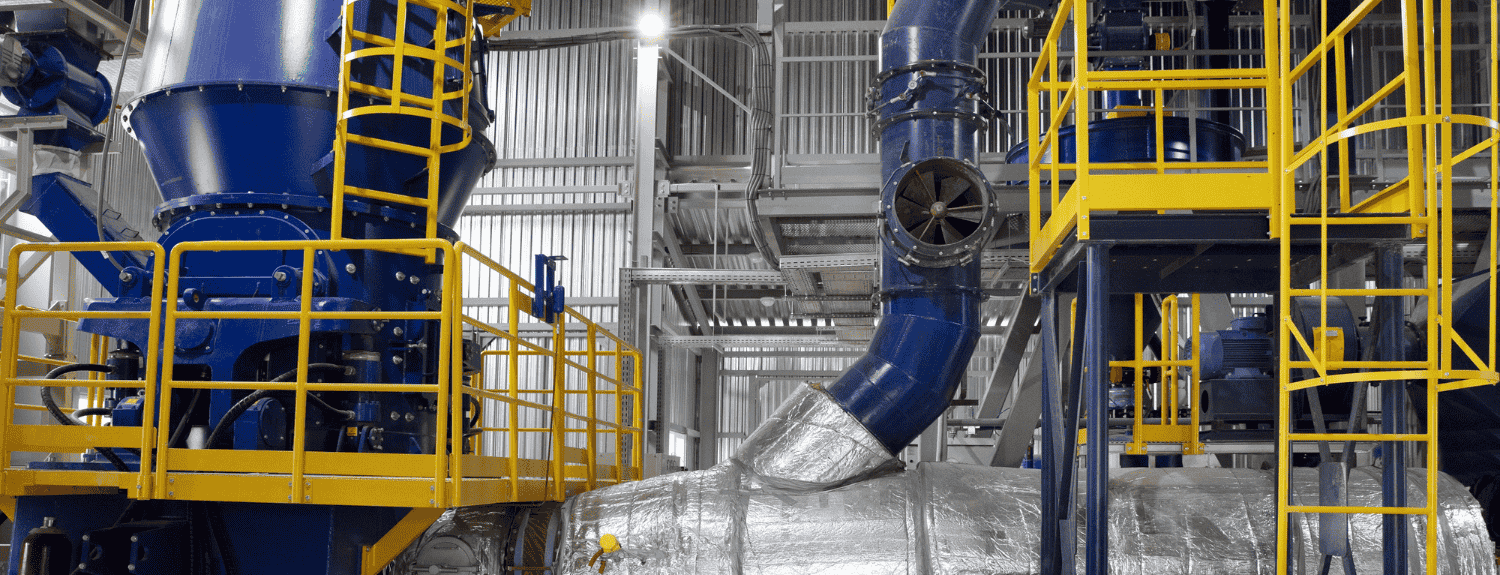
The Benefits of Using Industrial Glycol Cooling Systems in a Food Processing Plant

Glycol cooling in food processing is becoming the norm. This is because food safety is not optional. Moreover, quality has to be consistent in every batch and every bite. And that’s where glycol cooling systems come in. It’s not flashy but essential.
It is the backbone of temperature control in processing plants. Also, it is precise, efficient, and regulatory-compliant. Apart from that, it keeps things cold. Moreover, it saves a lot of energy, and there is less spoilage. Additionally, it comes with a longer shelf life.
Have you ever seen strawberries last longer than they should? That’s glycol doing its thing. Hence, food processors are coming with advanced cooling tech.
Therefore, read on to get a better idea of the benefits of industrial glycol cooling systems in food processing plants.
Understanding Industrial Glycol Cooling Systems in Food Processing
Food plants need cooling that is constant and reliable. Hence, there is no room for guesswork when you’re dealing with perishables. In this case, if you mix glycol and water, it runs cold without freezing. Moreover, it keeps the temperature steady. Hence, there are no spikes and dips.
Here, propylene glycol comes in handy because it is non-toxic and approved for food use. Also, you will find it everywhere — beverages, dairy, and meat lines. This is because it works and it’s safe.
Apart from that, uniform cooling is also an important factor. For instance, if there are hot areas, it will be a playground for bacteria. Hence, consistency in cooling is necessary. This is where industrial glycol cooling systems are important.
Moreover, these systems are scalable as well. It does not matter whether you have a small plant or a big plant. In fact, glycol systems grow with you. In addition to that, these are also easy to maintain. All you have to do is just keep the glycol concentration right.
Also, regular checkups are necessary. This is because downtime will cause your money to bleed out. Nobody wants production to be halted over a busted chiller. Basically, it shows that glycol cooling isn’t just tech. Rather, it is insurance for freshness, safety, and peace of mind.
Absolutely — here’s a more fragmented, journal-style rewrite. Raw, colloquial, varied. All data and structure preserved:
Enhancing Food Safety With Consistent Temperature Control
At the outset, food safety is non-negotiable. One mistake, and it leads to contamination. Nobody wants that. In these cases, glycol cooling systems are the quiet guardians. This is because they keep temperatures steady. Hence, there are no spikes or dips.
In addition to that, it keeps away microbes since there are no warm pockets or breeding grounds. The system delivers the same temperature across processing lines. This helps to avoid outbreaks.
Moreover, food processors need to meet the requirements for food safety standards like Hazard Analysis Critical Control Point (HACCP) and the Food Safety Modernization Act (FSMA). With glycol systems, you will be able to meet them easily. Moreover, these systems cover storage, transport, and production.
And it’s not just safety. Texture, flavor, nutrition — all take a hit when temperature bounces around. Did you ever have soggy lettuce or weird-tasting yogurt? This is the result of temperature fluctuation.
In these cases, glycol keeps things right. From factory floor to fridge shelf — quality stays locked in. Moreover, if there is a power outage or an Equipment glitch, glycol has thermal inertia. This buys you time.
Reducing Energy Consumption and Cost-Effectiveness of Glycol Systems
When it comes to food processing facilities, energy bills can be painful. Moreover, traditional cooling systems take up a lot of energy. However, glycol cooling systems are smarter and consume less power. At the same time, it produces the same chilling effect.
In addition to that, the efficient design leads to lower energy. Hence, costs are lower than normal. Since refrigeration is a big-ticket item, if you cut that down, your bottom line breathes easier.
Additionally, glycol has a high capacity for carrying heat. Also, it absorbs more before needing a cooldown. It means it has fewer cycles and less strain.
Moreover, glycol cooling systems provide a lot of heat recovery opportunities. For instance, you will be able to use waste heat for other operations. These include water heating and circular use of energy within the facility.
Apart from that, the industry is becoming more climate-aware. Hence, glycol cooling systems will help you to achieve that. This is because it produces less waste, a smaller footprint, and a bigger impact.
Get a Glycol Cooling System Now!
Glycol cooling isn’t just a system. Rather, it is a strategy that helps you with safety, savings, and sustainability. In addition to that, it increases productivity and supports compliance and sustainability initiatives. This shows that these systems represent a forward-thinking solution to modern challenges.
Moreover, the food industry is changing fast. Hence, glycol cooling systems are not merely keeping up, but are leading the way.
Read Also:
tags
Sofia Kelly
Sofia Kelly is a passionate blogger. She was born and raised in New York. She loves to share her thoughts, ideas, technological topics, and 9+ years of experience with the world through blogging. Sofia Kelly is associated with TechRab.com & MostValuedBusiness.com.


