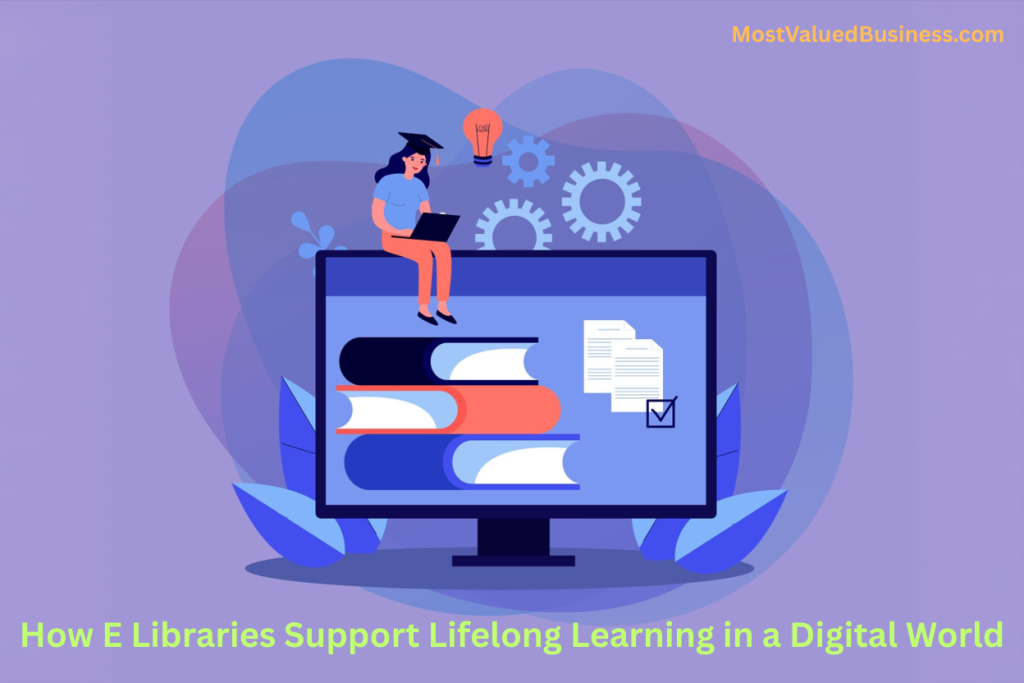
How E Libraries Support Lifelong Learning in a Digital World

Learning didn’t always look like this. It used to mean classrooms, rigid schedules, and shelves full of books that went out of date faster than we realized. Today, learning feels different. It moves with you. It fits between work hours, family time, and late-night curiosity. And right at the center of this shift sit e libraries.
They store knowledge that never sleeps. Stories, research papers, guides, and reference material stay accessible around the clock. You don’t need a desk. You don’t need permission. Learning no longer waits for the “right time.”
Lifelong learning depends on two things: access and consistency. When books and journals live online, keeping the habit becomes easier. One free evening turns into focused reading. One question leads to several new ones. In this space, platforms like ZLibrary blend into everyday life quietly, offering fast search and vast collections without interrupting your rhythm.
What Are E Libraries?
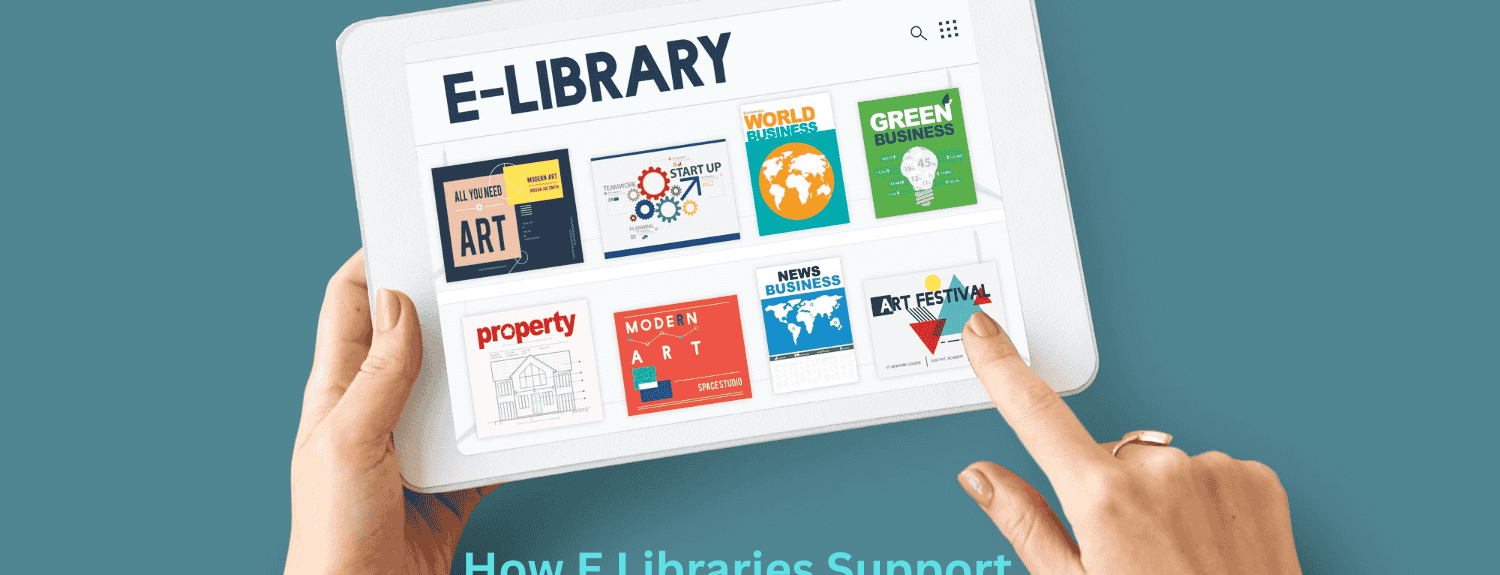
An e library, also called a digital or electronic library, is a structured collection of digital resources such as e-books, academic journals, audio content, and videos. You access it online, anytime and anywhere, as long as you have an internet connection. Compared to traditional libraries, e libraries offer faster search, easier updates, and far greater storage without physical limits.
Key Components & Features
- Digital Collections: Content lives in formats like PDFs, ePubs, audio files, videos, and images. No paper. No shelves.
- Remote Access: You connect through the internet. No travel. No fixed hours.
- Search & Retrieval: Advanced tools help you find exactly what you need in seconds instead of hours.
- Multimedia Support: Learning expands beyond text. Audio and video add flexibility and depth.
- Databases: Many e libraries include academic journals, licensed research, and peer-reviewed material.
Benefits Of E Libraries
- 24/7 Availability: The library stays open when your schedule doesn’t cooperate.
- Space Efficiency: Massive collections exist without physical clutter.
- Cost-Effective Access: Digital resources reduce printing, storage, and maintenance costs.
- Always Updated: New editions replace outdated information quickly.
- Enhanced Learning: E libraries support online education, remote research, and collaboration.
How It Works
You typically log in through a web portal, sometimes using institutional credentials. From there, you search, browse, read online, or download materials depending on access rules. Borrowing limits exist for some e-books, while others remain freely accessible.
Open Doors to Knowledge
E libraries erase old boundaries tied to location and time. One device now connects you to collections that once required entire buildings. That shift matters. A short break can hold a chapter from Sapiens or a few pages of The Art of War. Learning stops feeling like an appointment and starts blending into daily life, like music or coffee.
Range plays a big role, too. Physical libraries often reflect local priorities. E libraries stretch far wider. History, science, literature, and practical skills sit side by side. You can jump from poetry to physics in a single session. That freedom feeds curiosity and keeps learning from feeling forced. It feels exploratory, not academic.
Learning That Grows With Life
Lifelong learning doesn’t stay static. Early on, it leans toward discovery. Later, it becomes practical, reflective, or skill-driven. E libraries adjust without friction. Search tools guide without pushing. You stay in control.
Formats matter here. Some days you want deep reading. Other days, you skim or listen. E libraries respect those shifts. They let learning match your energy instead of demanding a fixed pace. That flexibility keeps curiosity alive long after formal education ends.
Here’s how e libraries consistently support growth across stages and interests:
1. Constant availability
Knowledge doesn’t follow office hours. E libraries stay open late at night and early in the morning. This matters when you’re balancing work, family, and personal goals. Learning fits into small gaps. Over time, those moments compound. Skills sharpen quietly. Confidence builds. The library feels less like a place and more like a patient companion.
2. Broad subject coverage
Wide catalogs invite exploration beyond familiar territory. One search may surface philosophy, coding tutorials, and travel writing together. That overlap mirrors real life, where ideas connect across fields. Exposure to different subjects also fuels creativity. Unexpected connections begin to form.
3. Support for self-paced study
Not everyone learns at the same speed. E libraries respect that. You pause. You return. You revisit notes. There’s no pressure to keep up with anyone else. This control lowers stress and increases ownership. Learning becomes personal, shaped by curiosity rather than deadlines.
Culture, Memory, and the Future
E libraries also act as cultural archives. They carry endless storage for classic novels and historical documents that need to be stored. The works like 1984 and Pride and Prejudice remain part of the shared conversation. That continuity links generations through common texts and ideas.
At the same time, new material flows in. Research updates. Manuals evolve. Fresh voices appear. E libraries hold both ends of the timeline. They show how knowledge moves, adapts, and grows. When memory and motion come together, lifelong learning thrives here. It is as simple as adapting to new technology instead of trendsetting for the knowledge and history.
To Conclude The Fact
E libraries have quietly reshaped how you learn. They don’t demand a classroom, a schedule, or even a long stretch of free time. Instead, they meet you where you are, between tasks, after hours, during moments of curiosity. With constant access, broad subject coverage, and flexible formats, learning becomes something you return to naturally, not something you force.
More importantly, e libraries grow with you. Your interests shift. Your goals change. The resources stay ready. By keeping knowledge within easy reach, e libraries turn lifelong learning from a general idea into a daily habit, simple, personal, and sustainable in a digital world that never slows down.
Read Also:
tags
Roman Williams
Roman Williams is a passionate blogger. He loves to share his thoughts, ideas and experiences with the world through blogging. With over 15 years of experience, Roman also enjoys writing blogs in various domains, including business, finance, technology, digital marketing, travel, and sports. Roman Williams is associated with GlobalBusinessDiary & TechRab.