Buying a Used Car from a Dealer vs Owner: How Your Loan Terms Change

Buying a used car sounds simple, right? Lower price, decent deal, done. But here’s where it gets a bit tricky, the place you buy from actually changes how your loan works. Most people choose between a dealer and an individual owner without thinking much about financing differences. But lenders don’t see both the same way. They look at documents, how the deal is structured, and whether the vehicle details are properly verified.
So yeah, this choice affects things, loan amount, interest rate, and even how fast your loan gets approved. Small decision on the surface, bigger impact underneath. If you understand how these loan terms shift depending on the seller, you make better calls. Less confusion later. Fewer surprises.
Buying From a Dealer: What Lenders Prefer
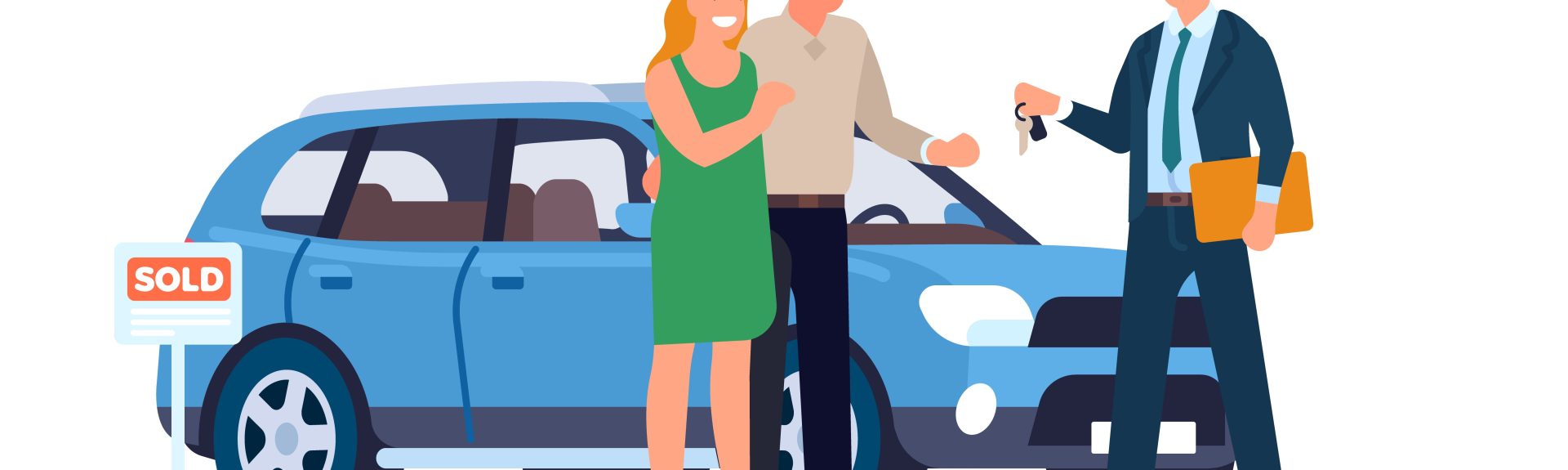
Lenders usually feel more comfortable when you get a used car loan from a dealer. Why? Simple, because everything is structured. Dealers follow a standard process. They inspect the car, fix what’s needed, and provide proper documentation. You get a formal invoice that clearly shows the price, repairs done, and overall vehicle condition. That clarity makes a big difference.
Because of this, lenders can review your application faster. Less guessing, fewer risks. In many cases, dealers even help coordinate with the lender, which cuts down the usual back-and-forth. As a result, you often get better LTV ratios, sometimes around 80–90% if your profile is strong. So, less upfront money, smoother process. That’s why lenders lean toward dealer-backed deals.
Buying From an Individual Owner: The Additional Complexity
A vehicle purchased from an individual owner comes with no standardized invoice and no dealer-certified inspection. The lender depends entirely on its own independent valuation of the vehicle, which may sometimes be lower than the price agreed between the buyer and the seller. The LTV on individual transactions is sometimes lower than for dealer purchases, reflecting greater uncertainty about both the transaction price and the vehicle’s true condition.
Documentation requirements are also more extensive for individual purchases. They include the seller’s NOC if the car has an existing loan, the RC showing the seller’s current registered ownership, a No Dues Certificate, where applicable, and, where applicable, independent verification that the agreed price reflects the vehicle’s genuine market value. Each of these adds a step to the verification process that simply does not exist in a standard dealer transaction.
The Interest Rate Comparison
Let’s clear one thing first, interest rates don’t directly depend on whether you buy from a dealer or an owner. Not exactly. Lenders mainly look at you. Your credit score, income stability, and the car’s age. That’s the core. So technically, rates stay in a similar range for both options. But here’s where things shift a bit. When you buy from an individual owner, the lender may value the car lower than the agreed price. Happens often. That means a lower LTV. And that means you pay more upfront.
So even if the interest rate looks the same, your overall cost can feel higher. More down payment, sometimes longer processing, and slight friction. This is why using a used car loan EMI calculator makes sense. Don’t just enter the car price; use the expected loan amount based on the lender’s valuation. That gives you a more realistic picture. Bottom line? The rate might stay similar. But the effective cost, that’s where the difference creeps in.
Title and NOC: The Critical Difference
Now this part, don’t skip it, seriously. When you buy from an individual owner, you need to check one thing clearly, the vehicle title. Is it clean? Or does it still have a loan attached? If there’s an active loan, you’ll see a hypothecation entry in the RC. That’s your signal. In this case, the seller must get a No Objection Certificate (NOC) from their lender. No NOC, no proper ownership transfer. Simple as that.
With dealers, this step is usually handled already. Cars are typically cleared before being listed. So less stress on your end. Still, don’t rely blindly on what the seller says. Always verify the RC status yourself through the Parivahan portal. Takes a few minutes and saves a lot of trouble. Also, make sure the NOC and clear title are part of the deal before you pay anything, not after. Because once money is involved, things get messy fast if documents aren’t right.
Which Purchase Option Is Faster?
If speed matters to you, dealer purchases usually win. Pretty straightforward. Dealers come prepared with standard documents, proper invoices, and even in-house finance support. Since lenders already know this setup, approvals move more quickly. Less friction, fewer delays. Now, buying from an individual owner? It can still work smoothly, but only if everything is in place. Missing papers, pending loans, or unclear ownership can slow things down. Sometimes a lot.
So, if this is your first loan or you need quick approval, the dealer route feels easier. On the other hand, owner purchases need a bit more patience. Extra checks, extra time. Either way, don’t rush the price before confirming loan terms. That’s where most people slip.
Dealer vs Owner: Quick Comparison Table
You don’t always have time to read everything. So here’s the quick snapshot, clean, side-by-side. Helps you decide faster.
| Factor | Dealer Purchase | Owner Purchase |
| Documentation | Standard, complete | Can vary, sometimes incomplete |
| Loan Approval | Faster | Slower due to checks |
| LTV Ratio | Higher (80–90%) | Usually lower |
| Interest Impact | Stable | Slightly higher effective cost |
| Risk Level | Lower (verified vehicles) | Higher (needs validation) |
| Effort Required | Low | High |
So yeah, dealers bring structure. Owners? More flexibility, but more work too. Pick what suits your situation, not just your budget.
Pros and Cons of Each Buying Option
Let’s be real, both options work. Just depends on what you value more.
A. Buying from a Dealer
You get convenience. Everything is organized, including inspection, paperwork, and even loan coordination. So the process feels smoother. Also, lenders trust dealer deals more, which helps with faster approvals. But, you’ll likely pay a bit extra. Dealer margins, service charges, it adds up.
B. Buying from an Owner
This is where you might get a better deal. Lower price, direct negotiation, no middle layer. Sounds great, right? However, it’s not that simple. You handle verification, paperwork, and loan coordination, all of it. One missing document, and things slow down. So ask yourself, do you want ease or savings? That’s the trade-off.
Hidden Costs You Should Watch Out For
This is where most buyers slip. Price looks fine upfront, but later, extra costs start popping up. With dealers, you might face:
- Handling or processing fees
- Add-on services you didn’t really ask for
- Slightly higher insurance tie-ins
Now with owner purchases, a different story:
- RC transfer charges
- Pending challans or dues (yes, it happens)
- Cost of fixing hidden issues after purchase
Also, don’t forget insurance adjustments. If the policy isn’t transferred properly, you might end up paying again. So before you finalize anything, pause. Ask, “Is this the full cost?” If not, dig deeper. Saves you headaches later.
Loan Approval Tips for Faster Processing
Want your loan approved quickly? Then don’t leave things to the last minute. A little prep goes a long way. Start with the basics, keep your documents ready. ID proof, income proof, and bank statements. Sounds obvious, but delays often start here.
Next, check your credit score. Even a small improvement can help you get better terms. Also, try not to stretch your loan too much. A reasonable tenure improves approval chances. Lenders like lower risk. If possible, get a rough loan estimate before finalizing the car. Helps you stay within budget.
And here’s a simple one: respond quickly when the lender asks for something. Delays don’t always come from them. Sometimes, it’s on you. Do these right, and the process feels smooth. Skip them, and things drag.
Conclusion
At the end of the day, where you buy your used car from directly shapes your loan experience. It’s not just about the car, it’s about how the deal gets financed. Dealer purchases usually bring higher LTVs, quicker approvals, and simpler paperwork. Easy to manage, less stress. On the flip side, buying from an individual owner might save you money upfront, but it demands more checks, more documents, and a bit more effort from your side.
So, what should you do? Think beyond just the price. Look at the full picture, loan terms, timelines, and documentation. If you sort these things early, before locking the deal, everything becomes smoother. Otherwise? You end up fixing things later, and that’s where the stress kicks in.
#Disclaimer: The information provided on this website and in this blog post is for general informational & education purposes only and does not constitute financial, legal, or credit advice. While we strive to keep content accurate and up to date, we make no warranties regarding its completeness, reliability, or applicability. Loan terms, interest rates, fees, and eligibility requirements vary by lender, state, and individual circumstances and are subject to change without notice. Nothing on this website should be considered an offer or recommendation. Readers should consult qualified financial or legal professionals before making any financial decisions. Some articles may contain affiliate links, through which the site may earn a commission at no additional cost to you.
Read Also:
tags
Arnab Dey
Arnab is a professional blogger, having an enormous interest in writing blogs and other jones of calligraphies. In terms of his professional commitments, He carries out sharing sentient blogs.