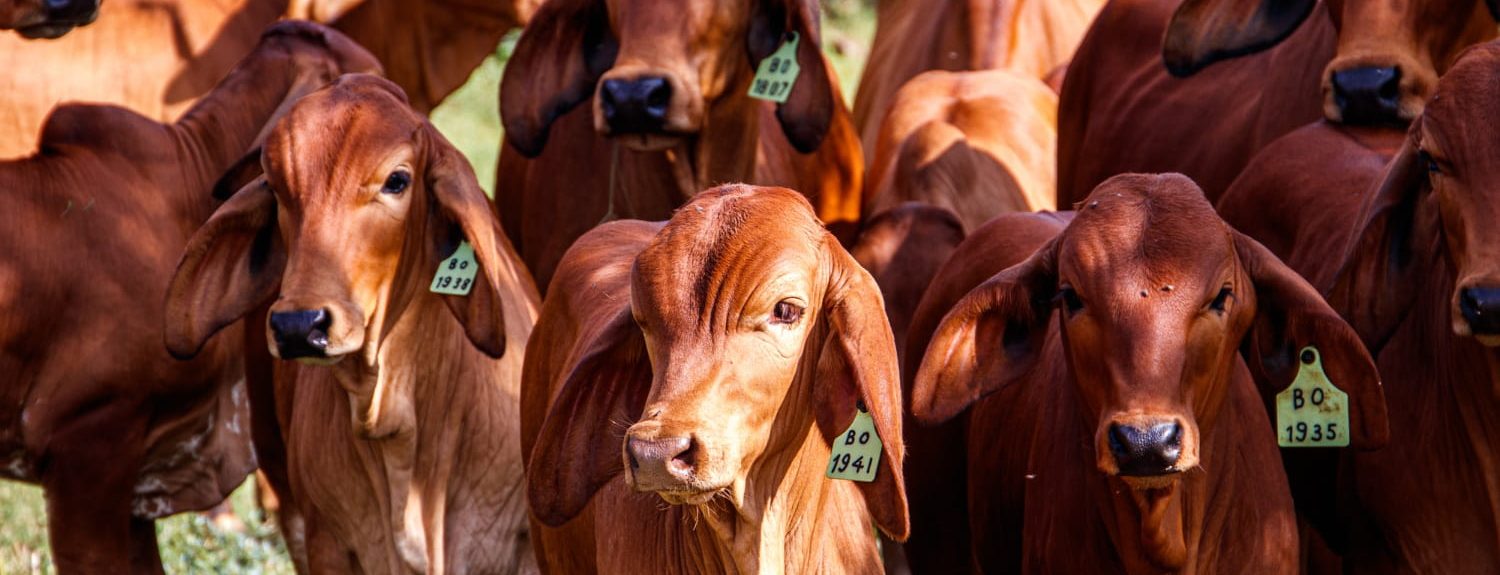
Global Beef Trade: Navigating a System of Constraints and Coordination

The global beef trade looks massive from the outside. Ships moving across oceans. Containers full of frozen products. Giant processing plants run around the clock. Countries import and export billions worth of beef every year. But underneath all that? The system moves more slowly than most people think. That’s the interesting part.
Unlike industries that can ramp production quickly, beef production works on biological timelines. You cannot suddenly “speed up” cattle growth because demand increases for six months. Doesn’t work like that. Herd expansion takes years. Feed costs fluctuate constantly. Weather affects grazing. Trade regulations shift overnight. Meanwhile, consumers still expect a stable supply and pricing. So the entire industry ends up balancing two things at once:
constraint and coordination. A weird combination, honestly. But that’s what keeps the system functioning.
Why the Global Beef Trade Operates Differently
Most industries can adjust production fairly quickly. Beef can’t. If global demand suddenly jumps due to population growth, rising incomes, or changing food trends, producers cannot respond immediately. Raising cattle takes time. Breeding cycles take time. Even rebuilding herd numbers after droughts or disease outbreaks can stretch across several years. That delay creates pressure throughout the market. And because supply reacts slowly while demand changes faster, the industry depends heavily on planning and long-term stability.
You’ll notice something here, too. Buyers across global markets usually prefer suppliers who consistently deliver rather than suppliers who simply offer the lowest price temporarily. Reliability matters more in the beef trade than many people realize. Because if a processor or exporter fails to deliver at scale, entire supply chains feel the impact almost immediately.
Herd Expansion Takes Years, Not Months
This is probably one of the biggest realities shaping the industry. A cattle producer making expansion decisions today may not see full production results for years. Think about that for a second. In fast-moving industries, businesses react to changes in demand almost instantly. But cattle production moves through:
- breeding cycles
- calf development
- feeding periods
- processing timelines
Everything stretches longer. So producers constantly make decisions based on future expectations, not current conditions alone. That creates risk naturally. If market conditions shift unexpectedly halfway through the cycle, producers may end up facing oversupply, higher feed costs, weaker export demand, and tighter margins. And because of this slower response system, financial discipline becomes extremely important across the beef industry.
Global Demand Keeps Changing
Consumer demand for beef doesn’t stay fixed anymore either. Growing populations across developing regions continue to increase protein consumption. Rising middle-class incomes in several countries also influence purchasing behavior. In some markets, beef demand rises alongside urbanization and changing diets. Meanwhile, other regions focus more on sustainability concerns, pricing pressures, or alternative proteins. So demand patterns keep shifting.
Some countries produce enough domestically. Others depend heavily on imports. That’s where global trade becomes essential. Countries unable to meet internal demand rely on exporters capable of delivering:
- consistent quality
- predictable supply
- regulatory compliance
- efficient logistics
And honestly, logistics alone can become incredibly complicated.
The Supply Chain Behind Beef Trade Is Complex
Most consumers never really see this part. They see products in stores. That’s it. But behind the scenes, global beef supply chains stretch across:
- farms
- feedlots
- processors
- shipping companies
- cold storage facilities
- ports
- inspection agencies
- distributors
Sometimes across multiple countries before they even reach buyers. Now imagine trying to coordinate all that while dealing with changing regulations or weather disruptions, and shipping delays, not easy. If these aren’t disturbing, factors like currency fluctuations and rising fuel costs really wear the complete system.
Products may also stay in cold storage or transit for extended periods, which ties up capital for businesses operating across the chain. So operational efficiency becomes critical. Because delays cost money very quickly in global food systems.
Why Financial Flexibility Matters So Much
This industry runs heavily on long-term capital planning. Producers need financing to:
- maintain herds
- manage feed costs
- expand operations
- survive difficult seasons
At the same time, processors and exporters rely on strong financial systems and corporate financing to keep operations stable while products move across global markets. And honestly, volatility never really disappears completely. Feed prices change. Transportation costs jump. Trade policies shift. Exchange rates fluctuate.
So businesses operating in the beef trade need enough financial flexibility to absorb shocks without disrupting operations. That’s why risk management sits at the center of successful global beef operations. Not just production. Financial resilience, too.
Regulatory Compliance Shapes International Trade
Here’s another thing many people underestimate, regulations. Global beef trade involves strict standards around:
- food safety
- animal health
- labeling
- inspections
- traceability
- import certifications
And every country handles these differently. So exporters constantly work to align with international compliance requirements while maintaining production efficiency. One small regulatory issue can delay shipments, increase storage costs, or block market access entirely. Which means coordination between governments, processors, and exporters becomes incredibly important. Especially in high-volume markets.
Forecasting and Planning Drive Stability
The beef industry depends heavily on forecasting because quick adjustments are difficult. Businesses analyze:
- feed availability
- weather conditions
- herd trends
- export demand
- economic growth
- consumer behavior
All before making production or investment decisions. And even then, uncertainty remains. That’s why communication across the supply chain matters so much. Organizations that maintain strong visibility into operations usually handle disruptions better because they can react earlier and coordinate faster. Without planning, the system becomes reactive. And reactive systems struggle during volatility.
Technology Is Slowly Reshaping the Industry
Traditional industry? Absolutely. But technology is still changing things quietly. Today, many businesses use:
- supply chain analytics
- livestock tracking systems
- automated processing equipment
- forecasting software
- logistics monitoring tools
These systems improve visibility across operations. For example, exporters can track shipments more accurately, processors can improve inventory planning, and producers can monitor herd performance more efficiently. Technology doesn’t remove constraints completely. Beef production still moves at biological speed. But better information helps businesses manage those constraints smarter.
Sustainability Conversations Are Growing
You can’t really discuss global beef trade now without mentioning sustainability. Consumers increasingly ask questions about:
- emissions
- land usage
- water consumption
- animal welfare
- environmental impact
And those conversations are influencing markets. Some producers invest heavily in sustainable practices because buyers and regulators increasingly expect transparency around sourcing and environmental management. At the same time, balancing sustainability goals with growing global protein demand creates its own challenge. Not simple. Not black and white either. But definitely becoming a bigger part of the industry conversation.
Coordination Is What Keeps the System Working
At its core, the global beef trade depends on alignment. Production alone isn’t enough. Demand alone isn’t enough. Everything has to connect:
- producers
- processors
- exporters
- logistics providers
- regulators
- financial institutions
When those systems work together properly, businesses handle volatility better and maintain more stable performance over time. And honestly, that coordination matters more now than ever because global markets move faster while production still moves slowly. That tension defines the industry.
Final Thoughts
The global beef trade operates inside a system full of constraints. Biological cycles limit speed. Supply chains stretch across countries. Regulations keep evolving. Demand patterns shift constantly. Costs fluctuate all the time. Yet despite all that, the industry continues functioning through planning, coordination, and long-term relationships built on reliability. That’s really what holds the system together. Not speed, not shortcuts, just consistency. And as global markets continue evolving, businesses that align production, operations, logistics, and financial strategy effectively will remain better positioned to manage uncertainty and sustain long-term growth.
For additional perspective on how these forces interact across the global beef system, explore the insights highlighted in the accompanying visual overview.

Read Also:
tags
Freddy Wosten
Freddy Wosten is a dynamic author. As a Blogging enthusiast and professional for the past 10+ years. And he is loving every bit of it. He lives in New York City. His niches are Business, Lifestyle, Tech, Real Estate, Finance, Travel, Social Media, Entertainment, and Multi-subjects. He is currently on Content Operations Senior Executive | to TechRab.com & MostValuedBusiness.com.


