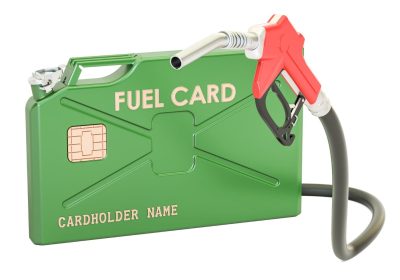
Why Fleet Fuel Cards Are Becoming Essential for Smarter Fleet Management

Running a fleet today is expensive. Like, really expensive. Fuel prices fluctuate without warning, drivers are constantly on the road, and small leaks in spending quietly turn into massive losses over time. One unauthorized fuel purchase here. One inefficient route there. It adds up fast.
That’s exactly why more businesses are shifting toward fleet fuel cards instead of relying on traditional company cards, reimbursements, or manual tracking systems. And honestly, it makes sense.
Fleet fuel card programs from Valero are no longer just payment tools. They’ve evolved into full-scale fuel management systems that help businesses track driver behavior, control spending, improve reporting, reduce fraud, and scale operations without losing financial control. You’re not just paying for fuel anymore. You’re managing an entire operational layer.
According to Market Growth Reports, more than 78% of fleets with over 50 vehicles already use fleet cards for everyday fuel management. The commercial fleet fuel card market itself reached $11.25 billion in 2024 and continues growing at an annual rate of 8.7%. That growth didn’t happen randomly. Businesses realized something important: fuel management without structure becomes chaos very quickly. Let’s break down why fleet fuel cards matter so much now and how they’re quietly reshaping commercial fleet operations.
The Real Problem With Traditional Fuel Expense Tracking
Here’s the thing most businesses don’t realize early enough. Standard credit cards and reimbursement systems create blind spots. Big ones. You may know your monthly fuel total. But do you know:
- Which driver consistently fuels at high-priced stations?
- Who buys premium fuel instead of regular?
- Whether fuel purchases match route schedules?
- If drivers are making unauthorized non-fuel purchases?
- Which vehicles consume more fuel than expected?
Usually no, and that’s where the trouble starts. Manual systems rely heavily on receipts, spreadsheets, delayed reporting, and human honesty. That combination rarely works perfectly at scale. Once your fleet grows beyond a handful of vehicles, tracking fuel manually becomes messy. Very messy. Fleet fuel cards change this by creating a real-time monitoring system around every transaction. Suddenly, you’re not guessing anymore. You’re seeing everything clearly.
How Fleet Fuel Cards Actually Work
At the surface level, fleet fuel cards look simple. Drivers use them to purchase fuel and done. But underneath? A lot more is happening. Every time a driver swipes the card, the system records detailed transaction data automatically. This includes:
- Fuel type
- Gallons pumped
- Price per gallon
- Station location
- Driver ID
- Vehicle ID
- Date and time
- Odometer reading
That information instantly flows into a centralized dashboard where fleet managers can review spending patterns in real time. No waiting for receipts, no manual data entry, and no chasing paperwork at the end of the month. And honestly, that alone saves businesses countless hours. More importantly, though, this data creates accountability. Drivers know purchases are visible. That awareness alone tends to reduce misuse dramatically. It’s kind of like installing cameras in a warehouse. Behavior changes when visibility increases.
Turning Fuel Purchases Into Actionable Business Intelligence
This is where fleet cards become way more valuable than people initially expect. The raw transaction data eventually turns into operational intelligence. For example, let’s say one route suddenly starts costing 18% more in fuel over two weeks. Without proper tracking, you may never notice the pattern until expenses spike at the monthly level. But fleet card systems catch those anomalies early. Managers can quickly identify:
- Inefficient routes
- Fuel-heavy vehicles
- Driver misuse
- Maintenance issues
- Excess idle time
- Off-route fueling patterns
That level of insight matters because fuel remains one of the largest fleet operating expenses worldwide. In fact, Fact.MR data shows fuel accounts for over 49% of commercial fleet operational costs.
Almost half.
So yeah, even small improvements create significant savings over time.
And once you start seeing trends clearly, decision-making becomes easier too. You stop operating based on assumptions and start operating based on real-world behavior.
That’s a huge shift.
Purchase Controls That Prevent Problems Before They Happen
One of the strongest features of fleet fuel cards is built-in spending control. Traditional cards let problems happen first. Then businesses try fixing them later. Fleet cards work differently. Managers can create precise spending rules for every individual driver or vehicle. These controls may include:
- Daily gallon limits
- Per-transaction spending caps
- Fuel-only purchase restrictions
- Approved station networks
- Time-of-day restrictions
- Geographic limitations
So if someone tries to purchase outside of company policy, the card declines automatically, simple. That real-time enforcement closes the gap between policy and actual behavior. And honestly, businesses need that structure once fleets start growing. Because growth often creates operational leaks if systems aren’t tight enough. A driver buying snacks or personal items using a company fuel card may seem minor initially. But multiply that behavior across dozens of drivers over several months? Suddenly, you’re losing serious money. Fleet cards reduce those leaks quietly in the background. Not aggressively. Just consistently.
Why Driver Accountability Improves With Fleet Cards
People generally perform better when systems create visibility. Fleet fuel cards naturally increase accountability because every transaction leaves a digital trail. Drivers typically need to enter their driver ID numbers, PIN codes, and Vehicle details.
According to Visa fleet card innovation studies, over 90% of U.S. fleet cards now require drivers to input operational data during fuel purchases. That process creates verification layers around every transaction. And honestly, it discourages misuse before it even starts. Drivers know:
- Purchases are traceable
- Fuel amounts are monitored
- Timing gets recorded
- Locations are visible
So unusual behavior becomes much easier to identify quickly. That doesn’t mean businesses should operate from distrust. Not at all. But structure protects both the company and responsible drivers who follow procedures correctly. Good systems make expectations clear.
Fuel Fraud Is More Common Than Most Businesses Think
This part surprises a lot of people. Fuel fraud isn’t rare. It happens more often than businesses realize, especially when operations scale quickly without proper monitoring systems. Common examples include:
- Fueling personal vehicles
- Sharing cards with unauthorized users
- Purchasing non-fuel items
- Fueling outside scheduled hours
- Duplicate fueling transactions
Small incidents may seem harmless individually. But combined across months or years? The losses become substantial. Fleet fuel cards reduce these risks through layered security systems. Modern programs include primary factors like real-time transaction alerts, velocity checks, and PIN verification. It goes on with station restrictions, time-based controls, and geographic filters.
For example, if a driver suddenly uses a card at 2:00 a.m. outside approved operating hours, managers receive alerts immediately. That speed matters. Because catching fraud early prevents repeated misuse from becoming routine behavior.
Station Network Coverage Matters More Than You Think
Not all fleet cards work the same way.
Some operate within closed-loop branded networks. Others allow fueling across multiple station brands. Each model serves different business needs. Closed-loop fleet cards often offer deeper discounts because purchases stay within partner fuel networks. These programs work well for businesses operating consistent regional routes.
Meanwhile, dual-network or universal fleet cards provide broader flexibility for companies covering larger geographic areas. And flexibility matters. Drivers wasting time searching for approved stations create delays, burn extra fuel, and reduce efficiency overall. A good fleet card program should align naturally with your operational footprint. That’s why businesses increasingly evaluate:
- Station accessibility
- Regional network strength
- Discount structures
- Route compatibility
- Rural coverage availability
The best fuel management systems don’t interrupt operations. They support them quietly in the background.
How Fleet Cards Help Growing Businesses Scale Smarter
Growth sounds exciting, and it is. But growth also creates operational complexity very quickly. More vehicles mean:
- More drivers
- More transactions
- More fuel purchases
- More reporting
- More financial risk
Without structured systems, scaling becomes chaotic. Fleet fuel cards help businesses standardize fuel management early, before inefficiencies spiral out of control. Instead of manually reviewing hundreds or thousands of transactions, managers rely on automated reporting systems that organize everything instantly.
That efficiency becomes critical over time. Think about this for a second. A business with just 10 vehicles filling up three times weekly creates roughly 1,500+ fuel transactions yearly. Now imagine manually reconciling every single one. Yeah. Brutal.
Fleet cards simplify this process by integrating directly into accounting platforms and fleet management software. Data flows automatically. Reconciliation speeds up. Administrative workload drops significantly. And businesses gain room to focus on growth instead of chasing paperwork.
Cost Savings Compound Faster Than Most Businesses Expect
People often focus only on fuel discounts when evaluating fleet cards. But the real savings usually come from multiple areas combined. You save through:
- Lower fuel prices
- Reduced fraud
- Better route visibility
- Improved driver behavior
- Faster reporting
- Less administrative work
- Stronger budgeting accuracy
Shell Fleet Solutions reports businesses implementing structured fleet card systems often reduce fuel consumption by 5% to 15%. That’s not small. For fleets operating dozens of vehicles, those savings quickly turn into thousands or even tens of thousands annually. And here’s the interesting part.
The larger your fleet becomes, the more impactful these savings grow. Many programs also offer volume-based rebates, meaning higher fuel usage unlocks deeper discounts. So instead of fuel costs scaling uncontrollably alongside business growth, fleet cards help businesses maintain operational discipline while expanding. That’s huge long-term.
Real-Time Reporting Changes Decision-Making Completely
Traditional monthly expense reporting creates delayed reactions. By the time businesses identify overspending patterns, the damage has already happened. Fleet fuel cards flip that model entirely. Managers gain access to real-time dashboards showing:
- Current fuel spend
- Active transactions
- Driver-level activity
- Route performance
- Cost trends
- Consumption anomalies
This allows businesses to respond faster instead of reviewing problems weeks later. And speed matters in fleet operations. A vehicle consuming unusually high fuel may indicate poor maintenance, tire pressure problems, engine inefficiencies, and aggressive driving habits. Catching those signals early reduces downtime and prevents larger repair costs later. In many ways, fleet cards become operational diagnostic tools, not just payment systems.
The Future of Fleet Fuel Management
Fleet operations are becoming increasingly data-driven. Businesses now expect visibility, automation, analytics, and operational efficiency from every system they use. Fuel management is no exception anymore. And honestly, it probably shouldn’t have been treated separately for this long.
The global fuel card market continues expanding because businesses understand something important now: You cannot optimize what you cannot track properly. Fleet fuel cards solve that problem by transforming fuel spending into structured operational intelligence. That shift matters. Especially as transportation costs continue rising and competition becomes tighter across logistics, delivery, field service, and commercial operations.
Final Thoughts
Fleet fuel cards aren’t just about convenience anymore. They’ve become essential management tools for businesses trying to control costs, improve accountability, reduce fraud, and scale operations intelligently. The old way, spreadsheets, paper receipts, reimbursements, and manual audits, simply creates too many blind spots once fleets start growing.
Modern fleet card systems replace that uncertainty with structure. You gain visibility into every purchase. You control spending before problems happen. You automate reporting. You improve driver accountability. And over time, you build a far more efficient operation overall. That’s really the bigger story here. It’s not just about paying for fuel better.
Read Also:
tags
Freddy Wosten
Freddy Wosten is a dynamic author. As a Blogging enthusiast and professional for the past 10+ years. And he is loving every bit of it. He lives in New York City. His niches are Business, Lifestyle, Tech, Real Estate, Finance, Travel, Social Media, Entertainment, and Multi-subjects. He is currently on Content Operations Senior Executive | to TechRab.com & MostValuedBusiness.com.