Is Third-Party Bike Insurance Enough after an Accident?

You buy bike insurance thinking one thing first. “At least I’m legally covered now.” Fair enough. A lot of riders in India think the same way. Especially when choosing third-party bike insurance because it’s cheaper, mandatory, and easy to renew. Done in minutes, no headache.
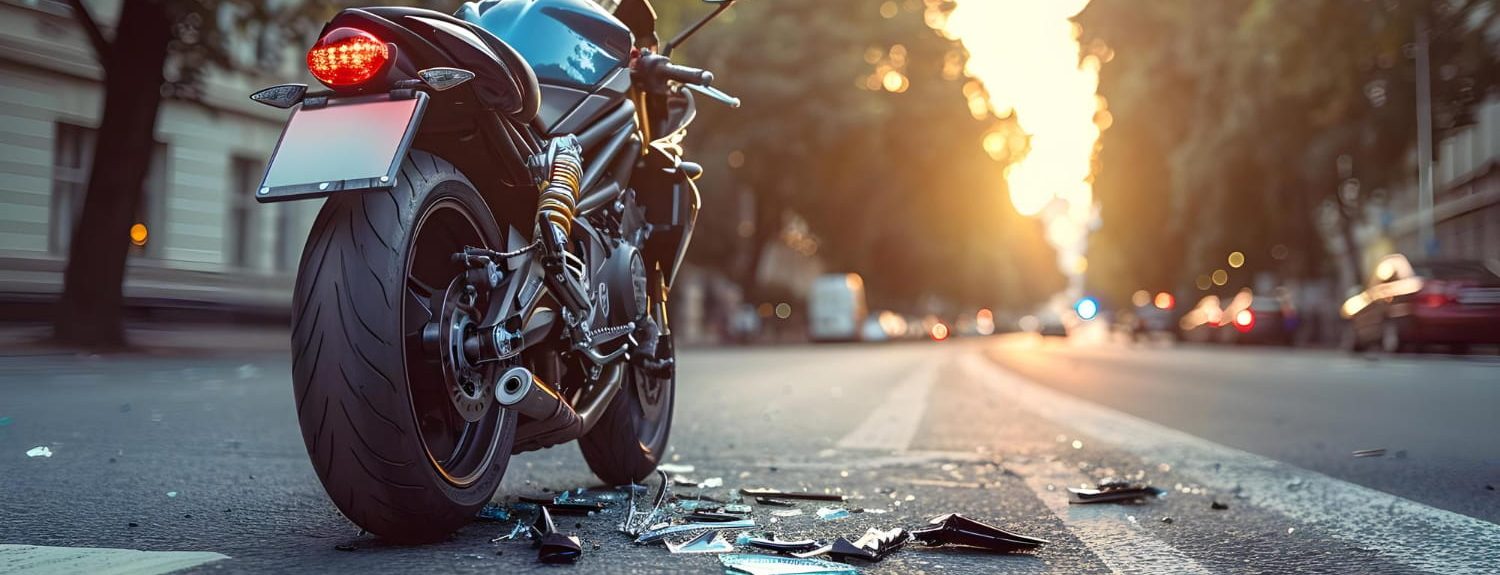
But then an accident happens. Suddenly, things feel different. Your bike is damaged. Repairs cost more than expected. Maybe the front suspension bends. And that’s usually the moment riders realize something important. Third-party two wheeler insurance mainly protects the other person involved in the accident, not always you.
That’s where confusion starts. A basic third-party policy absolutely matters. In fact, riding without it is illegal in India. Still, legal compliance and complete protection are not the same thing. Not even close sometimes. So the real question becomes this: Is third-party bike insurance actually enough after an accident? Well, it depends on how you use your bike, your budget, and how much financial risk you are willing to carry yourself. Let’s break it down properly.
What Third-Party Bike Insurance Covers
Third-party bike insurance is designed mainly to cover liabilities caused to another person or their property because of your insured bike. That’s its core purpose. Not repairs for your own bike. Not every expense is after an accident. Just third-party liabilities under the policy terms. Here’s what it usually includes.
A. Liability Towards Another Person
This is the biggest part of the policy. If your bike causes injury, disability, or death to another person during an accident, the insurance may help cover the legal liability. Depending on the situation, the claim may involve medical compensation, legal proceedings, or court-directed settlements. Now, honestly, these costs can become huge. Much bigger than most riders expect.
One serious accident can create financial pressure that lasts for years. That’s why third-party insurance exists in the first place. It acts like a financial shield when another party suffers because of the accident involving your bike. Usually, you need to inform the insurer quickly after the incident. Some cases may also require police reports and supporting documents before claims move ahead.
B. Damage to Someone Else’s Property
Third-party insurance may also cover damage caused to another person’s property. This could include:
- Another bike or car
- Shop shutters
- Compound walls
- Gates
- Street-side property
You may think small damages don’t matter much. But property claims add up surprisingly fast. One collision in traffic, and suddenly, repair estimates start climbing. That’s where insurance support becomes useful because handling these costs personally can get stressful pretty quickly.
C. Legal Requirement for Riding in India
This part is non-negotiable. Under Indian motor vehicle laws, you need at least a valid third-party insurance policy to ride legally on public roads. Without it, you may face penalties, fines, or even legal trouble during inspections or accidents.
So yes, even if you rarely ride your bike, the policy still matters. Many riders buy it mainly for compliance. And honestly? That’s understandable. But compliance alone does not mean complete financial safety after an accident.
D. Support During Legal Disputes
Another thing riders sometimes overlook is legal complications after accidents. In some situations, disputes can escalate. Maybe the other party files a claim. Maybe compensation discussions become messy. Maybe legal notices arrive unexpectedly.
Third-party insurance may help handle covered legal liabilities connected to the accident. That support can reduce pressure during already stressful situations. Because accidents are not just mechanical problems. Sometimes they become legal ones too.
What It Does Not Cover
Now comes the important part, the limitations. Third-party bike insurance is intentionally limited. It protects others more than it protects your own financial loss. And this is exactly where many riders get caught off guard.
1. Damage to Your Own Bike
This is the biggest gap. If your bike gets damaged after an accident, third-party insurance generally does not cover the repair cost. So if your bike skids, or another vehicle hits you or you crash into something, or the bike falls during heavy rain, the repair expenses may come directly from your pocket. And modern bike repairs? They are not cheap anymore. Even minor accidents can lead to expensive bills involving fairings, alloys, suspension work, sensors, or electrical parts. Unless you have own-damage cover or comprehensive two-wheeler insurance, you usually bear these costs yourself.
2. Theft, Fire, or Natural Events
Basic third-party insurance generally does not cover:
- Bike theft
- Fire damage
- Flood damage
- Cyclones
- Storm-related damage
- Earthquake-related loss
This becomes important during monsoon seasons in many Indian cities, where waterlogging damages parked vehicles regularly. So if your parked bike gets stolen or floodwater damages the engine, third-party coverage alone may not help financially.
3. Personal Expenses After the Accident
Accidents affect more than vehicles. Medical bills, transport arrangements, emergency travel, missed workdays, towing charges these things appear quickly after accidents. Third-party policies usually do not handle all these personal costs.
Some riders assume insurance automatically covers “everything accident-related.” That’s not really how basic policies work. You may need separate protections depending on your financial comfort and riding habits.
4. Wear and Tear or Mechanical Breakdown
Here’s another thing people misunderstand. Insurance is not maintenance coverage. If your bike breaks down because of aging parts, engine wear, battery failure, clutch problems, or poor servicing, third-party insurance generally will not cover those repairs. Normal deterioration stays your responsibility as the owner.
5. Riding Outside Policy Conditions
Insurance companies also expect policy terms to be followed properly. For example, claims may become difficult if:
- The rider has no valid licence
- The bike is used illegally
- Riding happens under intoxication
- Policy details are incorrect
A lot of riders ignore these details until a claim situation arises. Then, suddenly, paperwork and compliance become very important.
When It Might Be Enough
Now let’s be fair here. Third-party insurance is not useless. For certain riders, it can genuinely be enough depending on usage, financial flexibility, and risk tolerance.
1. When Your Main Need Is Legal Compliance
Some riders mainly want legal protection for road use. That’s it. This is common with older bikes, where spending heavily on insurance may not feel practical anymore. If the vehicle value is already low, some owners prefer handling repairs personally instead of paying higher premiums.
In such cases, third-party insurance may feel sufficient. But still, timely renewal matters. Expired coverage can create major trouble during accidents or traffic checks.
2. When the Bike Is Used Occasionally
Not everyone rides daily. Some people only use their bikes:
- On weekends
- For nearby errands
- During emergencies
- For short local rides
Limited use naturally reduces risk exposure somewhat. So riders sometimes choose third-party cover because the bike spends most of its time parked safely at home. Still, accidents don’t exactly ask permission before happening. Even short rides carry risk.
3. When You Can Manage Repair Costs Yourself
This is probably the biggest deciding factor. If you are financially comfortable paying for repairs, replacement parts, towing, and minor accident expenses, then third-party insurance may work fine for you. But if one major repair bill would disturb your monthly budget badly, broader coverage may make more sense practically.
4. When the Bike Has Low Market Value
Older bikes lose market value over time. Sometimes, the insurance premium for broader coverage may start feeling disproportionate compared to the vehicle’s current worth. In those cases, riders may intentionally choose only third-party insurance because spending heavily on comprehensive coverage no longer feels financially efficient. It becomes more of a calculated decision than a compromise.
5. When You Already Have Backup Financial Support
Some riders maintain emergency savings specifically for vehicle-related expenses. So instead of depending heavily on insurance claims, they prefer handling unexpected repair situations independently. For financially disciplined owners, third-party insurance may simply act as the legal minimum while personal savings cover the rest. Again, this depends entirely on your comfort with risk.
So, Is Third-Party Insurance Really Enough?
Honestly? For some riders, yes. For many others, probably not fully. It works well for legal compliance and third-party liabilities. That part is important. No doubt there. But after a serious accident, your own financial exposure can remain high if your bike suffers major damage.
That’s the real trade-off. A third-party policy keeps you legally protected. A broader two-wheeler insurance plan helps protect both your legal liability and your own vehicle-related expenses. Neither choice is automatically right or wrong.
You just need to look at your riding habits honestly. How often do you ride? Can you comfortably handle repair bills? Would theft or flood damage hurt financially? Do you depend heavily on your bike daily? Those answers matter more than simply choosing the cheapest policy available.
Conclusion
Third-party bike insurance remains an important part of riding legally in India. It protects you against liabilities involving others and helps you stay compliant with road laws. That alone makes it valuable. But after an accident, the limitations become clearer. Your own bike damage, theft-related loss, weather damage, and many personal expenses may remain uncovered under a basic policy.
So before renewing your insurance, take a step back and assess your actual riding risks. Not just the legal requirement. Your real-world situation. Because sometimes saving money on premiums today can lead to much larger expenses later.ual riding risks. Not just the legal requirement. Your real-world situation. Because sometimes saving money on premiums today can lead to much larger expenses later.
Read Also:
- How Life Insurance Supports Financial Security At Every Stage Of Life
- Travel Insurance: The Key Differences Between International vs Domestic
- Term Insurance and Life Insurance: Understanding the Key Differences
#Disclaimer: This blog post is for informational & educational purposes only and does not constitute insurance, legal, or financial advice. Coverage options and requirements vary by state and provider. For guidance specific to your situation, please consult with a licensed insurance professional. Some posts may contain affiliate links, and we may earn a small commission at no extra cost to you. Investing involves risk, including possible loss of principal.
tags
Arnab Dey
Arnab is a professional blogger, having an enormous interest in writing blogs and other jones of calligraphies. In terms of his professional commitments, He carries out sharing sentient blogs.