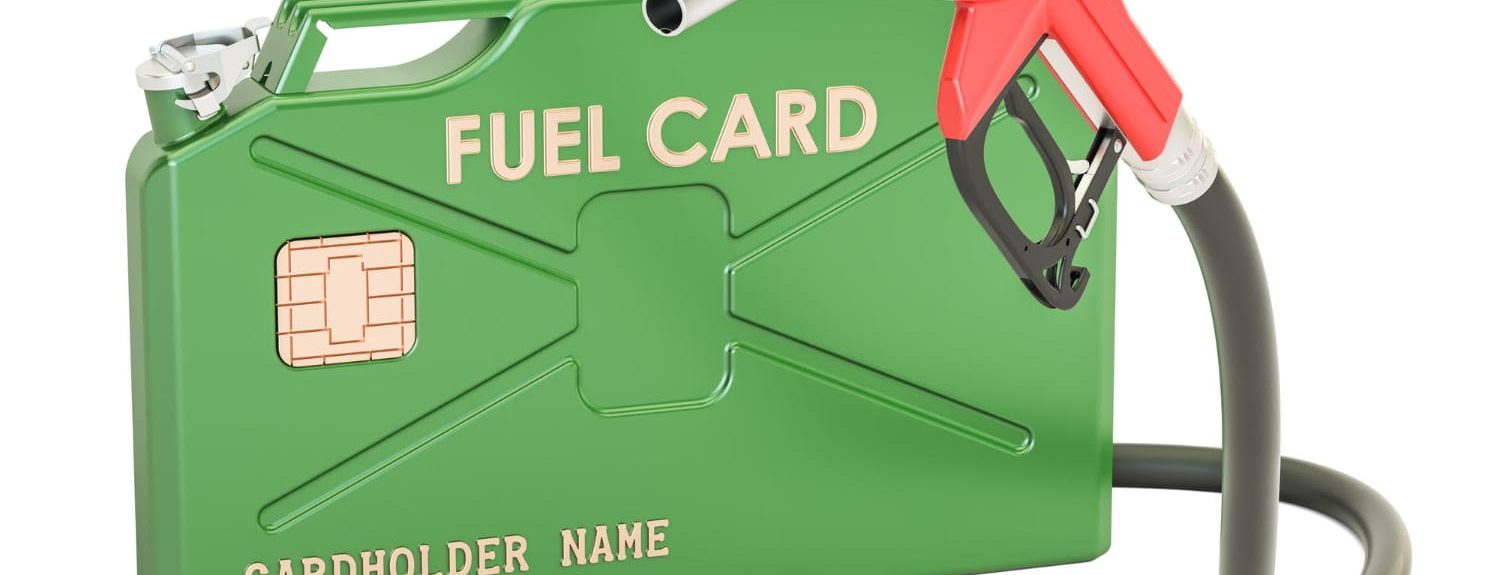
Why Fuel Cards Are Becoming Essential for Businesses That Want Better Security and Fuel Savings

Fuel costs never really stay still for long. One month prices dip a little, the next month they climb again. And honestly? That unpredictability makes fuel management frustrating for a lot of businesses. Especially fleets. Especially growing ones.
In 2024, national gas prices averaged around $3.30 per gallon in the United States. Slightly lower than the previous year. Sounds good on paper. But lower fuel prices alone don’t automatically reduce operating costs. Businesses that want to capture real savings when prices fall, and control costs when prices rise, are switching to fuel cards with per-gallon rebate programs that convert every fill-up into a tracked, discounted, and auditable event.
Because if your company still relies on generic credit cards, paper receipts, reimbursements, or spreadsheets to manage fuel expenses, there’s a good chance money is slipping away quietly in the background. A few extra gallons here. Unauthorized purchases there. Drivers fueling at expensive stations. Delayed reporting. Waste that nobody notices until the monthly statement arrives. That’s exactly why more businesses are shifting toward fuel cards.
Not because they’re trendy. Not because everyone else is doing it. But because fuel cards turn fuel spending into something structured, trackable, and controllable. And in today’s business environment? That structure matters a lot. Let’s break down why fuel cards have become such an important tool for businesses looking to improve reporting, tighten security, and actually save money at the pump.
The Real Problem With Traditional Fuel Expense Tracking
Most businesses think they understand their fuel spending because they know the total monthly amount. But totals don’t tell the full story. That’s where the problem starts. A standard corporate credit card statement usually shows gas station names, purchase amounts, and transaction dates. That’s it.
No operational context. No driver behavior analysis. No fuel efficiency insights. No route comparisons. Nothing that helps you understand why costs look the way they do. So businesses end up reacting blindly. You may know your fleet spent $18,000 on fuel last month. But can you answer:
- Which drivers consistently buy premium fuel?
- Which routes cost the most?
- Whether unauthorized purchases happen?
- Which vehicles burn fuel inefficiently?
- If drivers fuel outside approved areas?
Usually not. Fuel cards solve this visibility problem by tracking every fuel purchase at the transaction level. Suddenly, you’re no longer guessing. You’re seeing detailed operational data in real time. And honestly, once businesses experience that level of visibility, it’s hard to go back to manual systems again.
How Fuel Cards Actually Work
At the simplest level, fuel cards function like payment cards designed specifically for fuel-related business expenses. But underneath? There’s a lot more happening. Every transaction captures detailed information automatically, including:
- Fuel grade
- Gallons purchased
- Price per gallon
- Driver ID
- Vehicle ID
- Station location
- Purchase time
- Odometer reading
That data gets uploaded instantly into a centralized reporting dashboard. No paper receipts, no waiting for reimbursement reports or no manual spreadsheet updates. And this matters because businesses don’t just need payment tools anymore. They need management systems. Fuel cards quietly combine both. Instead of treating fuel as a generic expense category, businesses can now monitor spending patterns with much more precision. That shift changes decision-making entirely.
How Fuel Discounts and Rebates Create Real Savings
Let’s be honest. Fuel savings usually get people’s attention first. And fair enough. Fuel cards genuinely help reduce direct fuel costs. Most fuel card programs offer negotiated per-gallon discounts ranging between 3 and 10 cents, depending on:
- Monthly fuel volume
- Network partnerships
- Card type
- Fleet size
Now, a few cents might not sound dramatic initially. But scale changes everything. A fleet purchasing 20,000 gallons monthly with a 6-cent-per-gallon discount saves around $14,400 annually. That’s real money. Especially for businesses operating on tighter margins. And savings become even stronger when fuel prices dip nationally.
The U.S. Energy Information Administration reported gas prices dropped to $3.01 per gallon in December 2024, marking the year’s lowest average price point. Businesses using fuel card discounts stack additional savings on top of already-lower market prices. That combination matters. Because businesses aren’t just trying to survive fluctuating fuel costs anymore. They’re trying to optimize every operational dollar possible.
Branded Fuel Cards vs Universal Fuel Cards
Not all fuel cards work the same way. Some are branded cards tied to specific fuel station networks. Others are universal cards accepted across multiple brands. Each setup has advantages.
A. Branded Fuel Cards
Branded cards typically offer higher per-gallon discounts, which is big for many businesses. Along with that, they also offer stronger station partnerships and simpler purchase controls. Grand View Research reported branded fuel cards held 45.9% of the U.S. market in 2024, largely because of deeper fuel discounts. These cards work especially well for businesses operating predictable regional routes where drivers consistently access the same station network.
B. Universal Fuel Cards
Universal cards prioritize flexibility. Drivers can fuel across multiple station brands while businesses still maintain reporting, spending controls, and monitoring capabilities. This flexibility becomes useful for many things. Such as:
- Long-haul operations
- Multi-state service businesses
- Variable delivery routes
- Rural coverage needs
So honestly, the “best” option depends heavily on how your business operates daily.
Better Reporting Changes Everything
This is probably the biggest difference between fuel cards and regular credit cards. The reporting depth is completely different. Fuel cards create detailed operational logs instead of simple expense statements. Managers gain access to:
- Driver spending behavior
- Vehicle fuel efficiency
- Route-level fuel costs
- Purchase timing patterns
- Fuel grade consistency
- Station pricing comparisons
And importantly, many modern platforms now provide real-time analytics dashboards. According to Market Growth Reports, around 47% of fuel card providers currently include real-time reporting systems built directly into their platforms. That means managers can catch problems immediately instead of discovering them weeks later during monthly reviews.
For example:
If one vehicle suddenly consumes 20% more fuel than fleet averages, managers can investigate immediately. Possible causes might include:
- Maintenance issues
- Aggressive driving
- Excessive idling
- Route inefficiencies
- Tire pressure problems
Without detailed reporting? Those issues often stay hidden for months. And hidden inefficiencies get expensive fast.
Fuel Cards Improve Budgeting and Cash Flow
Fuel cards don’t just save money. They also improve financial organization. That part matters more than many people realize. Traditional payment methods scatter fuel purchases across dozens or hundreds of individual transactions every month. Reconciling those expenses manually wastes time and creates accounting headaches.
Fuel cards simplify this through consolidated billing. Instead of random daily charges hitting company accounts continuously, businesses receive organized statements containing:
- Every transaction
- Itemized fuel data
- Categorized expenses
- Historical usage trends
This structure improves forecasting significantly. According to a 2025 MWS Magazine survey. 49% of fleet operators cited easier expense tracking as a major benefit. 47% highlighted improved budgeting accuracy
And honestly, that makes sense. Predictability becomes easier when data stays organized consistently. Many fuel card providers also offer flexible billing cycles ranging from 14 to 30 days. That payment flexibility helps businesses maintain healthier cash flow, especially seasonal companies managing fluctuating revenue cycles.
Why Fuel Card Security Matters So Much
Fuel fraud happens more often than businesses expect. Not always maliciously, either. Sometimes it’s a small misuse that slowly snowballs over time. Common problems include:
- Personal vehicle fueling
- Unauthorized purchases
- Card sharing
- Off-route fueling
- Non-fuel purchases
- Duplicate transactions
The larger your fleet grows, the harder manual oversight becomes. That’s where fuel card security features become valuable. Modern fuel card systems allow businesses to create highly specific purchase rules, including fuel-only restrictions, daily gallon limits, spending caps, and Approved station lists. If transactions violate preset rules, cards decline automatically. That real-time enforcement changes behavior quickly.
According to Shell Fleet Solutions, businesses using structured fleet card systems reported fuel cost reductions between 5% and 15%, partly due to stronger fraud prevention and misuse detection. And honestly, prevention works far better than cleanup after the fact.
Fuel Data Is Becoming Part of Larger Fleet Optimization Systems
Here’s where things get even more interesting. Fuel cards are no longer operating independently. They’re increasingly integrating with:
- GPS tracking systems
- Telematics platforms
- Maintenance software
- Dispatch systems
- Accounting platforms
In 2024, telematics integration with fuel card systems grew by 34% year-over-year. That’s huge. Why? Because combining fuel data with vehicle behavior creates much deeper operational insights. For example, A manager can now connect fuel consumption, speed patterns, engine diagnostics, and many more. Suddenly, fuel management becomes part of overall business optimization, not just accounting. And that shift helps businesses reduce operational waste much more effectively.
Fuel Cards Are No Longer Just for Large Fleets
This is changing fast. Previously, fuel cards mainly targeted large transportation companies. But smaller businesses are now adopting them heavily too. Why? Because even modest fleets generate huge transaction volume over time. A business operating with 10 vehicles or fueling 3 times weekly creates over 1,500 fuel transactions yearly. Managing that manually becomes exhausting pretty quickly.
Javelin Strategy’s 2024 report identified small fleets as one of the biggest growth opportunities in the fuel card industry. Many smaller businesses still rely on reimbursements, cash payments, or personal cards despite the inefficiencies. Fuel card providers are responding by offering:
- Simpler onboarding
- Lower volume requirements
- Mobile management apps
- Easier integrations
The tools are becoming far more accessible now.
Why Businesses Are Treating Fuel as a Strategic Expense
Fuel used to feel unavoidable. Just another operating cost that businesses accept without much analysis. That mindset is changing. Today, businesses understand something important. If fuel represents a major percentage of operational spending, then fuel management directly affects profitability. And honestly, the numbers support that thinking.
The U.S. fuel card market reached $88.03 billion in 2024 and is projected to hit $148.18 billion by 2030. That growth isn’t happening because businesses suddenly enjoy changing payment systems. It’s happening because companies want:
- Better operational visibility
- Lower waste
- Smarter reporting
- Stronger fraud prevention
- Improved budgeting
- Better driver accountability
Fuel cards support all of those goals simultaneously.
Also read: Why Your Company’s Fuel Card Strategy Is Costing You Thousands in Hidden Fees
Choosing the Right Fuel Card Program
Not every fuel card fits every business. So before choosing one, businesses usually evaluate:
- Station network coverage
- Reporting tools
- Security controls
- Integration capabilities
- Rebate structures
- Billing flexibility
- Customer support
The cheapest-looking option isn’t always the best operational fit. A strong fuel card program should match your routes, your driver behavior, your vehicle types, your accounting workflow, and your growth plans. That alignment matters long term.
Final Thoughts
Fuel cards have evolved far beyond simple payment tools. Today, they function as full operational management systems helping businesses control spending, improve visibility, strengthen security, and optimize fuel-related costs. And honestly, businesses need that structure now more than ever.
Fuel prices will always fluctuate. That part probably never changes. But how businesses manage fuel spending absolutely can improve. The old approach, paper receipts, generic credit cards, delayed reporting, and manual audits, creates too many blind spots once operations start growing. Fuel cards replace that uncertainty with real-time data, automated controls, consolidated reporting, and actionable insights.
You gain visibility into every gallon purchased. You improve budgeting. You reduce misuse. You simplify accounting. And over time, you build a more disciplined operation overall. That’s the bigger shift happening here. Businesses aren’t just trying to buy fuel cheaper anymore. They’re trying to manage fuel smarter.
Read Also:
tags
Freddy Wosten
Freddy Wosten is a dynamic author. As a Blogging enthusiast and professional for the past 10+ years. And he is loving every bit of it. He lives in New York City. His niches are Business, Lifestyle, Tech, Real Estate, Finance, Travel, Social Media, Entertainment, and Multi-subjects. He is currently on Content Operations Senior Executive | to TechRab.com & MostValuedBusiness.com.